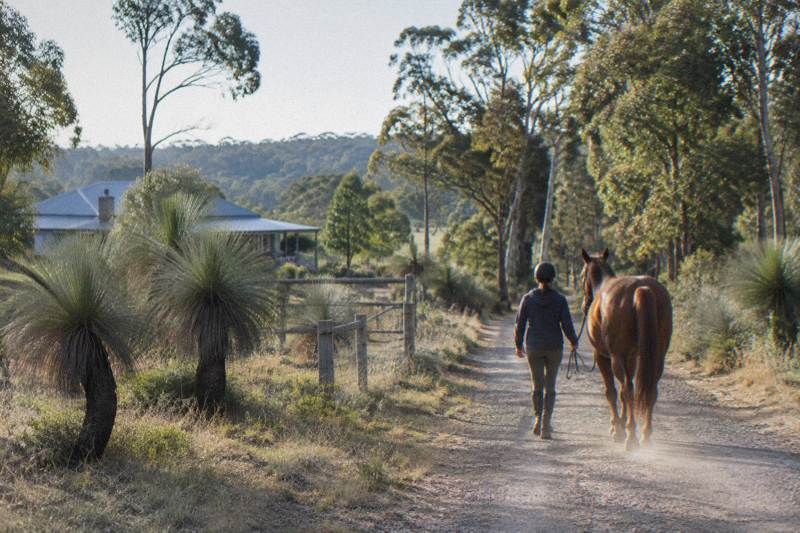
What To Wear Horse Riding In Margaret River: A Season-By-Season Kit List
Margaret River trail rides run all year, from 27 degree summer afternoons to 16 degree winter mornings that can bring 194.1 mm of rain in a month. Here is what to wear for each season, and what the operator already supplies so you do not double up.
Short answer
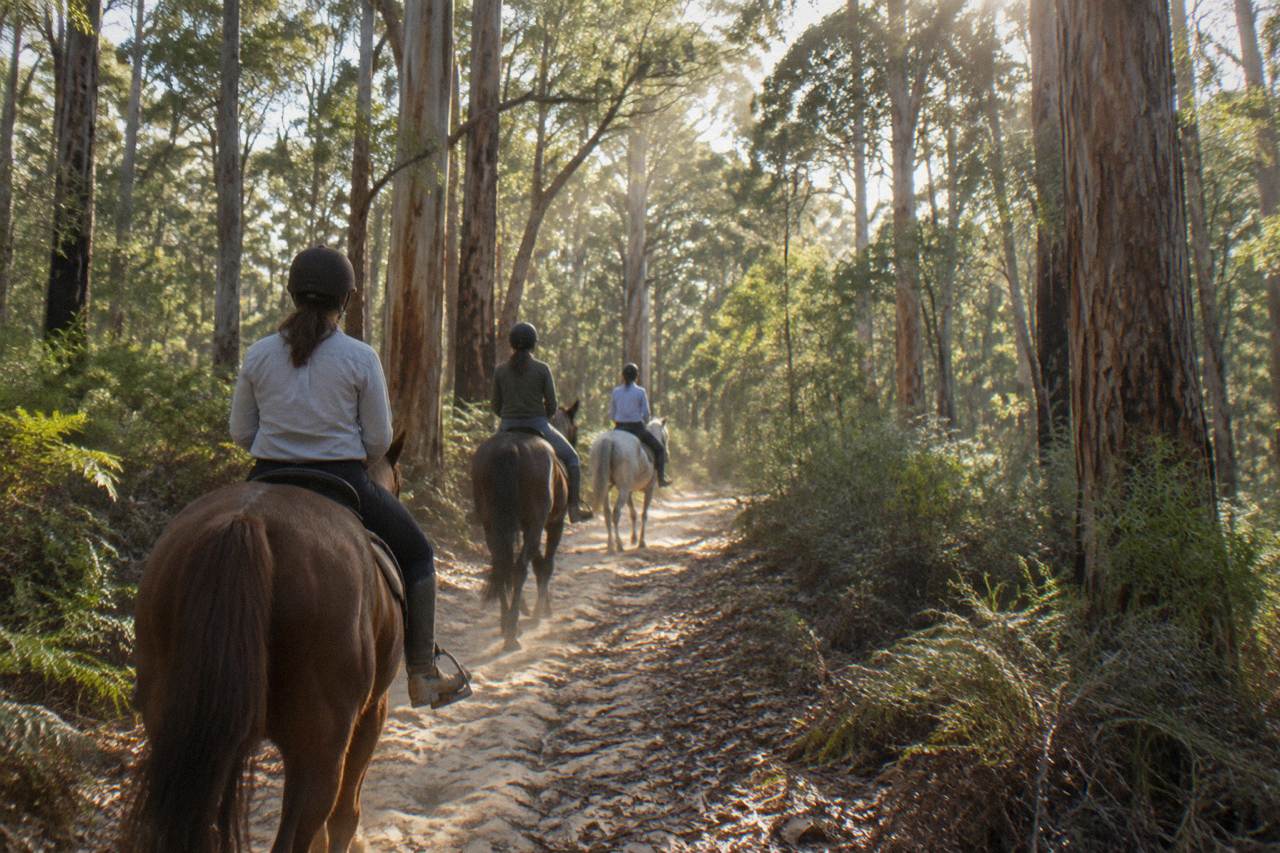
Wear closed boots with a small heel, long trousers and layered clothing you can shed. The operator supplies a safety helmet, boots and wet-weather gear on its short rides, so you mainly need comfortable trousers and weather-appropriate layers. In winter (June to August) bring a waterproof jacket; in summer (January and February) prioritise sun protection.
What Should I Wear For Horseback Riding?
The core kit is closed boots with a small heel, long trousers, and layers matched to the season. A shirt with sleeves beats a singlet, sunscreen matters even on cloudy days, and anything loose, flappy or dangling should stay at home. On the short rides at Rosa Brook the operator supplies a safety helmet, boots and wet-weather gear, so the two items you genuinely need to bring are comfortable full-length trousers and clothing suited to the weather.
That short answer covers almost every situation, but the detail matters more than most riders expect. Margaret River sits in the south-west corner of Western Australia, where the riding country around Rosa Brook is a few degrees cooler than the coast in winter and noticeably warmer in summer. A rider who dresses for Perth weather, three hours and 15 minutes north, can arrive either shivering or sunburnt. Once you've packed the right kit, you can stretch your budget further with the free beaches, forests and lookouts around Margaret River.
The rides themselves range from a 75-minute country lane tour to a 7-hour trek through Whicher National Park, and the clothing demands scale with the hours in the saddle. A 90-minute introduction ride asks very little of your wardrobe. A full-day ride with about 6 hours of riding asks a great deal more, because weather that is pleasant for an hour becomes miserable at hour five.
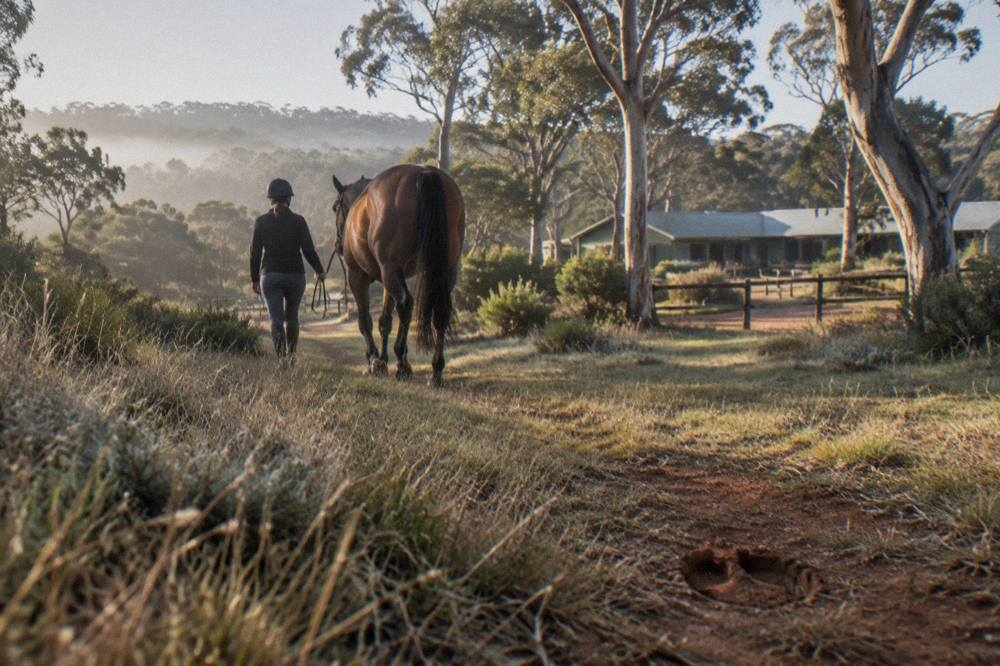
This guide works through the kit from the feet up, then season by season, using long-term temperature and rainfall averages recorded at Witchcliffe, the weather station closest to the riding country. It also flags what the operator supplies on every ride, which saves packing space and rental-car luggage Tetris alike. For a broader look at the experiences themselves, the companion page on trail rides around Margaret River covers the terrain and difficulty of each option.
If you are weighing up the shortest options first, these three rides are where most visitors start:
What Does The Operator Supply On A Margaret River Trail Ride?
On its rides at Rosa Brook, the operator supplies a safety helmet, riding boots and wet-weather gear, so you do not need to own or pack any of those three items. That is the operator's own stated position in its published FAQ. What it does not supply is trousers, tops or sun protection, which means the clothing decisions you actually make come down to your lower half and the weather.
This matters for travellers flying in. Riding boots are heavy, awkward luggage, and a certified helmet takes up half a carry-on. Knowing that both are waiting at the farm, about 20 minutes east of Margaret River town, means you can pack light and still ride properly equipped.
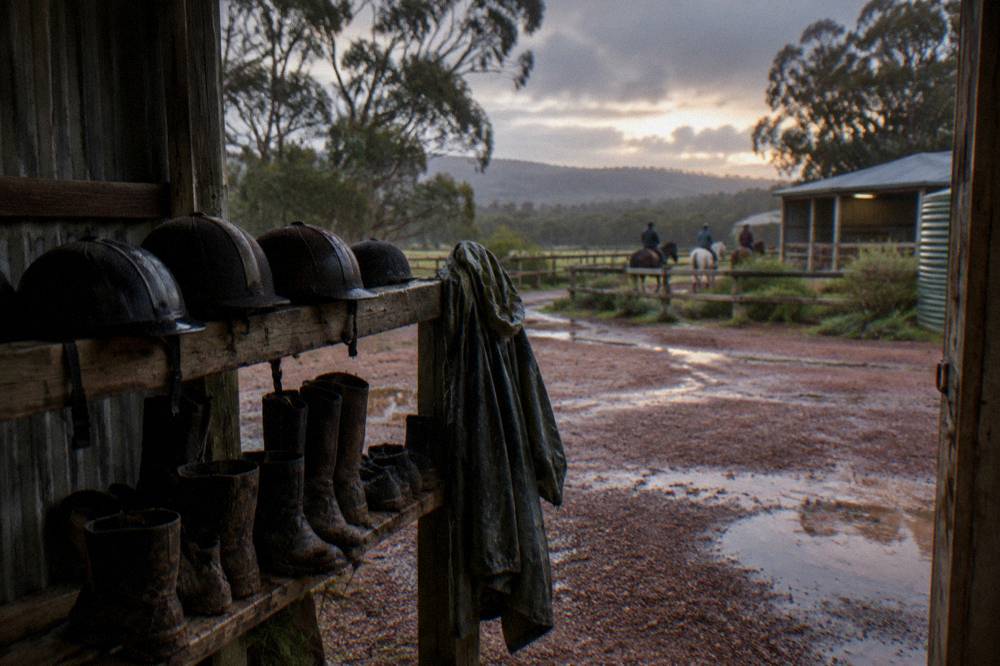
The supplied wet-weather gear earns its keep from about May through September, when long-term averages at Witchcliffe show monthly rainfall running from 132.3 mm in May to 194.1 mm in July. Even then, the gear is a backstop rather than a reason to skip your own layers, because a waterproof poncho over a t-shirt is a cold combination on a windy winter trail.
One clarification worth making early: these are bush, forest and countryside rides, not beach rides. If your mental image of horse riding in this region involves sand and surf, the page on beach horse riding in Western Australia explains where the coast options actually sit, and the nearest bookable rides from this operator are inland.
Layers By Month: What The Weather Actually Does Around Rosa Brook
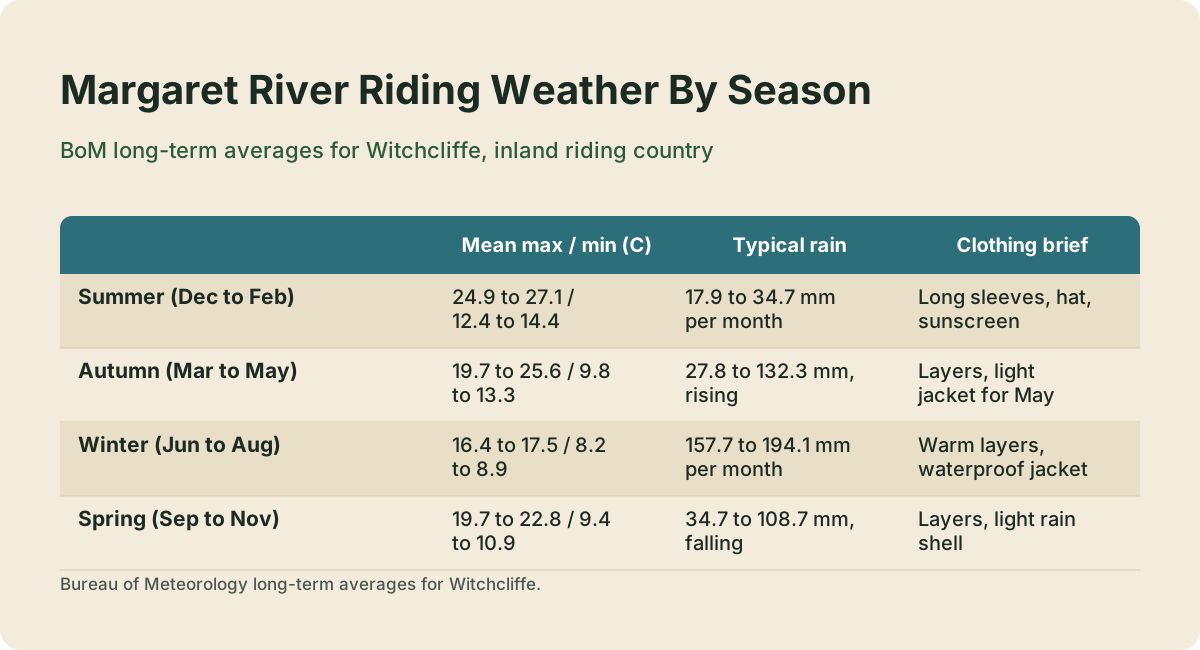
Dress for a spread of roughly 10 degrees between morning and afternoon in most months, and plan for rain in any month from April to October. Long-term BoM averages at Witchcliffe show mean maximums from 16.4 degrees in July to 27.1 in February, and mean minimums from 8.2 degrees in July and August to 14.4 in February. Layers you can remove one at a time are the only sensible answer.
The table below condenses those averages into a clothing brief for each season. The numbers come from the Bureau of Meteorology's long-term record for Witchcliffe, published at the Bureau's Witchcliffe climate averages, and they describe the inland riding country rather than the breezier coast at Cape Leeuwin.
| Season | Months | Mean max / min (C) | Typical rain | Clothing brief |
|---|---|---|---|---|
| Summer | Dec to Feb | 24.9 to 27.1 / 12.4 to 14.4 | 12.2 to 17.9 mm per month | Light long-sleeved top, trousers, hat, sunscreen |
| Autumn | Mar to May | 19.7 to 25.6 / 9.8 to 13.3 | 27.8 to 132.3 mm, rising | Layers, light jacket for May mornings |
| Winter | Jun to Aug | 16.4 to 17.5 / 8.2 to 8.9 | 157.7 to 194.1 mm per month | Warm layers, waterproof jacket, beanie |
| Spring | Sep to Nov | 17.5 to 22.8 / 8.6 to 10.9 | 34.7 to 108.7 mm, falling | Layers, light rain shell, sun protection by October |
Two patterns in that table deserve emphasis. First, the shoulder months are deceptive: April can feel like summer at midday and winter by dinner, and October mornings start near 9 degrees before climbing to almost 20. Second, rain in this region is a winter story, not a year-round one. December through February average fewer than four rain days a month at Witchcliffe, while July averages nineteen.
Daylight also shapes what you wear and when you book. Day length around Margaret River runs from about 9.9 hours at the June solstice to about 14.4 hours at the December solstice, and Western Australia keeps no daylight saving. A winter ride finishes close to dark by early evening; a summer ride can start late and still end in sunshine. If you are building a wider itinerary, the guide to the best time to visit Margaret River goes deeper on timing.
Rain Gear For June To August Rides
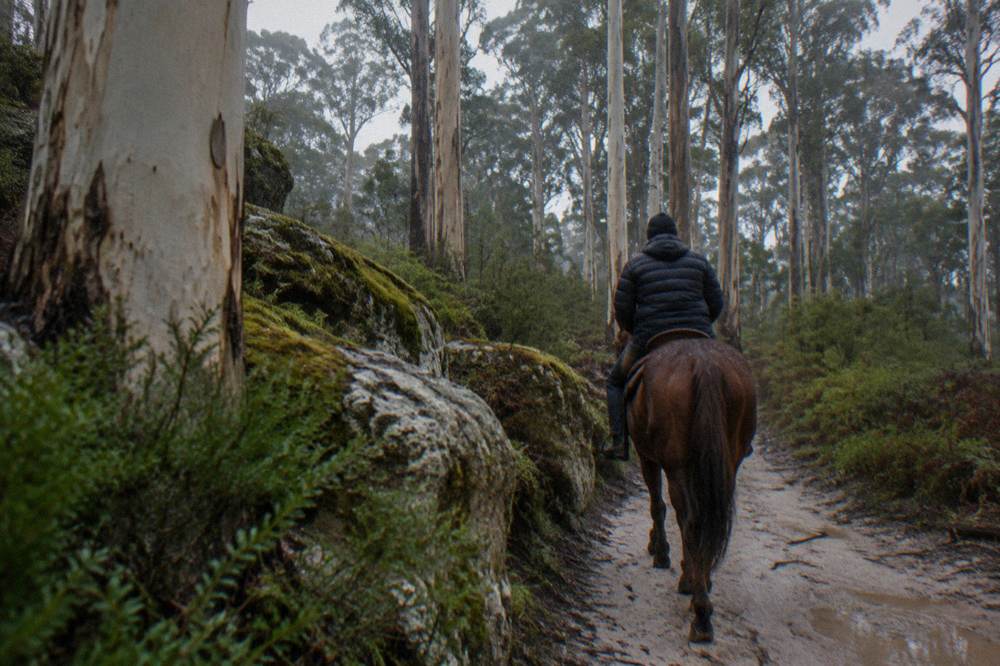
From June to August, expect around 157.7 to 194.1 mm of rain per month and 16 to 19 rain days, with mean minimums sitting between 8 and 9 degrees. Wear a proper waterproof jacket, warm layers underneath, and long trousers that dry quickly. The operator's supplied wet-weather gear covers you in a downpour, but your own warm mid-layer is what keeps a three-hour forest ride comfortable.
Winter is not a bad season to ride here, despite those numbers. The forest rides through karri and jarrah country are at their greenest, the trails are quiet, and the mean 3 pm temperature of about 15 degrees is close to ideal for physical activity. The failure mode is being under-dressed: a rider in a cotton hoodie that soaks through will be cold within the hour, and cold riders make tense, gripping riders.
The practical winter formula is a synthetic or merino base layer, a fleece or insulated mid-layer, and a waterproof shell. Jeans are a common mistake, because wet denim stays wet for hours and chafes at the knee. If you only own jeans, the operator's supplied wet-weather gear over the top is a workable compromise on the shorter rides.
One seasonal caution that has nothing to do with fabric: fire. The AFAC Seasonal Bushfire Outlook for spring 2026 flags above-average fire potential in the southern Jarrah Forest and Warren bioregions, the country these trails run through, and on Total Fire Ban days restrictions can apply to vehicle access in bushland. Live conditions are published at the DBCA park alerts page, worth a glance before any winter-to-spring forest ride.
For riders ready for a longer winter forest day, the three-hour options are the natural step up from the beginner rides:
Sun Protection For January And February
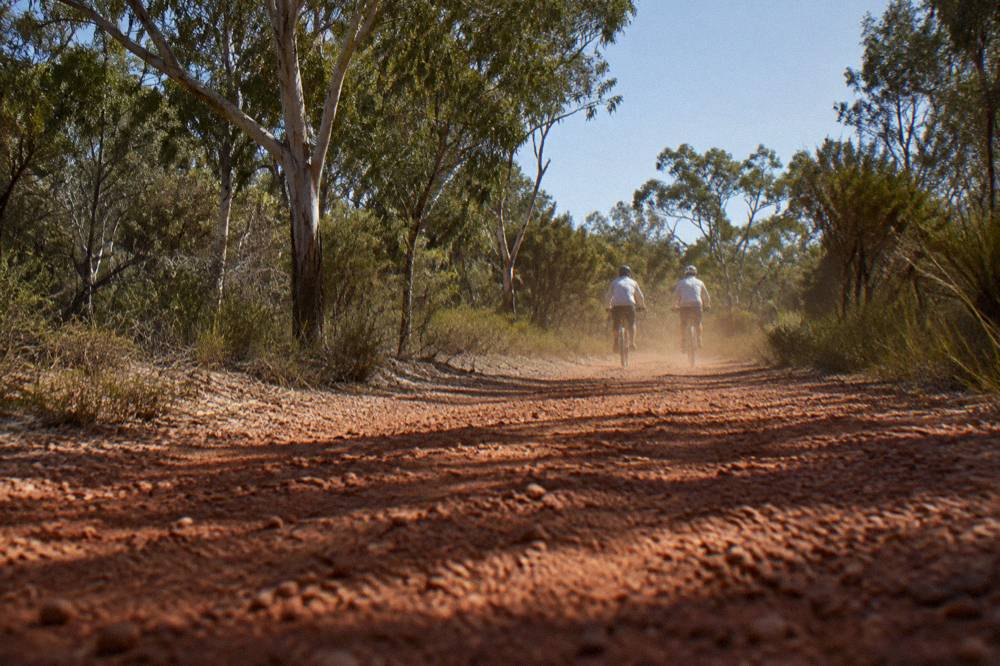
In January and February, mean maximums reach 26.6 and 27.1 degrees with mean minimums around 14, and rain is rare, so sun protection outranks everything else in your kit. Wear a light long-sleeved shirt rather than a singlet, sunscreen on face and hands, sunglasses, and a hat for before and after the ride, since the supplied helmet replaces it in the saddle. Aim for a morning start.
The long-sleeve recommendation surprises people who associate summer with shorts and t-shirts. On a horse, the logic flips. A loose, light-coloured long sleeve blocks ultraviolet exposure for the full length of a ride without needing reapplication, stops the sunburn that a helmet brim alone cannot prevent, and shields forearms from brushing against scrub on narrow bush tracks. It is also simply cooler than bare skin in direct Australian sun.
Australian UV is the detail international visitors consistently underestimate. The summer sun here is strong enough to burn in well under half an hour on a clear day, and the riding country is inland, so there is less of the coastal cloud cover that gives the capes their mild reputation. Sunscreen under clothing seams, on the neck, and on the backs of hands covers the gaps.
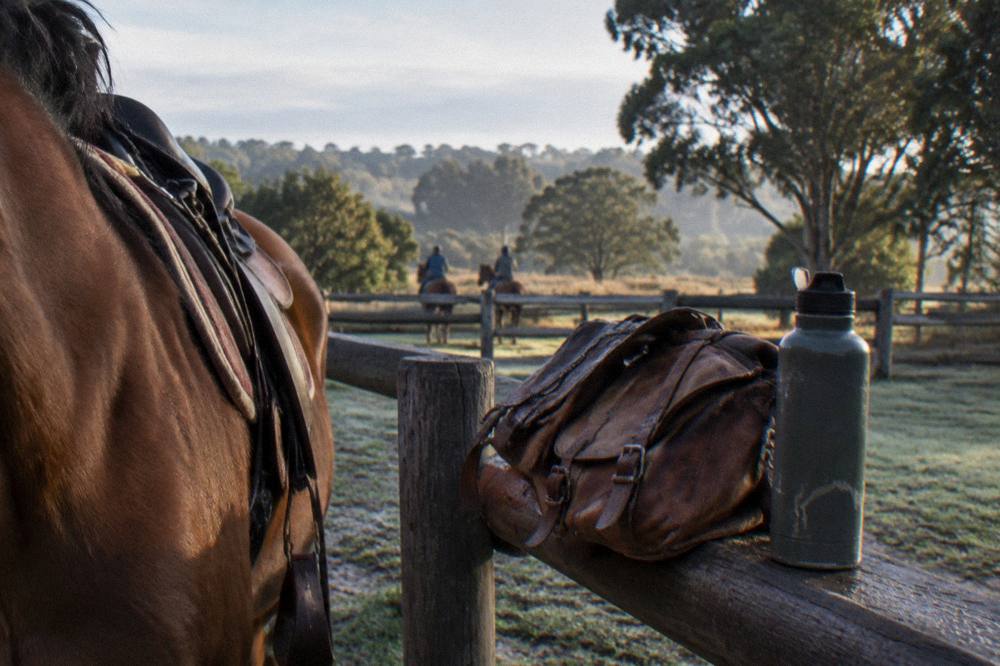
Water is the other summer item. The short rides at Rosa Brook run 75 to 90 minutes, short enough that a bottle in the car suffices, but the full-day options run up to about 6 hours in the saddle, and riders on those should carry water and drink steadily through the morning. A small backpack worn on the body, not strapped anywhere that interferes with the saddle, is the usual solution.
Footwear And Trousers: The Two Non-Negotiables
Wear closed boots with a smooth sole and a small heel, roughly 2 to 4 cm, and full-length trousers. The heel stops your foot sliding through the stirrup, which is the single most important safety feature of riding footwear, and the smooth sole releases from the stirrup if you come off. Trainers, thongs and shorts are all unsuitable, and the operator can supply boots if yours do not fit the brief.
The heel rule exists for a blunt reason. If a flat-soled shoe slides forward through the stirrup and you fall, your foot can trap, and a horse dragging a rider by the ankle is the riding accident every piece of standard kit is designed to prevent. A heeled boot keeps the foot where it belongs. The supplied boots at Rosa Brook exist precisely so that visitors in running shoes are not turned away or forced to ride in unsafe footwear.
| Footwear | Suitable for riding? | Why |
|---|---|---|
| Riding or ankle boots with a small heel | Yes | Heel prevents foot sliding through stirrup |
| Supplied operator boots | Yes | Provided for this purpose on the short rides |
| Running shoes or trainers | No | Flat, grippy sole can trap in the stirrup |
| Thongs or sandals | No | No protection, no retention |
| Hiking boots with deep lugs | Not ideal | Aggressive tread can jam in the stirrup |
Trousers matter almost as much. Full-length, reasonably close-fitting trousers protect your calves from chafing against the stirrup leathers, which is a genuine issue beyond the first hour, and from scratches on bush tracks. The 3-hour and longer rides expect riders to trot for extended periods, and leather rub through thin leggings or shorts is a memorable way to end a holiday. Stretchy fabrics, jodhpurs, or simply comfortable trousers that allow a full range of motion all work. If you're weighing how long a ride to book, the Margaret River per-hour trail ride pricing breakdown explains why the longer treks usually cost less per hour in the saddle.
Avoid anything loose or dangling on the upper half too: scarves that can flap, drawstrings that can catch, and jewellery that swings. Long hair should be tied back so it stays clear of the face and the helmet's fit. These are small things, but they are the difference between adjusting your outfit for two hours and forgetting about it entirely.
What To Pack For A Half-Day Or Full-Day Ride
For rides of three hours or longer, pack water, sunscreen, a spare warm layer, and a small snack, carried in a body-worn bag or given to the support vehicle where one exists. The Canebrake Pool, Berry Farm and Colonial Brewery rides include transfers, horses trucked and riders bused, so a small bag can ride the bus. On the 6-hour and 7-hour options, lunch is included, so your packing focuses on comfort items rather than food.
The longer rides change the calculus in a few concrete ways. The Blackwood Forest ride asks riders to arrive 20 minutes early for a property check ride, then a 15-minute truck drive, then about 3.5 hours riding back toward the start. The Berry Farm ride runs about 5.5 hours in the saddle and finishes with afternoon tea at a cafe before the bus home. The Colonial Brewery ride is about 6 hours of riding. None of these are wardrobe-neutral: they need the full layering system, whatever the season.
| Ride length | Hours in the saddle | What the operator includes | What you add to your kit |
|---|---|---|---|
| 75 to 90 minutes | 1 to 1.5 | Helmet, boots, wet-weather gear | Trousers, layers, sun protection |
| 3 hours | About 3 | Helmet, boots, wet-weather gear | Water, snack, spare layer |
| 4 hours | About 3.5 riding | Transfers, sometimes lunch | Water, snack, warm layer, camera |
| 6 to 7 hours | About 5.5 to 6 | Lunch, transfers, refreshments | Full layering system, water, personal medication |
A note on trousers for the long rides specifically: the 4-hour Canebrake ride includes a swim at the river pool weather permitting, so a swimsuit under riding clothes or in the bag is a reasonable addition, and a towel if you have room. The winter camp fire after the Little Grove ride runs the other direction, rewarding a dry warm layer you kept out of the rain.
School holidays are the one booking-side factor that interacts with clothing planning, simply because they change how far ahead you need to commit. WA Term 4 runs from 12 October to 17 December 2026, with summer holidays from 18 December to 31 January, dates published at the WA Department of Education's term dates page. The operator's private ride is unavailable in school holidays and peak periods, and family-oriented options are covered in the guide to pony rides and family horse riding.
For a first ride or a gentle forest loop, the short options remain the best-dressed starting point, in every sense:
The Short Version: One Kit List For Every Season
Boots with a heel or a willingness to use the supplied pair, full-length trousers, a helmet from the operator, and a layering system: base layer, warm mid-layer, waterproof shell in winter, light long sleeves and sunscreen in summer. Add water for anything over two hours. That single list covers every ride on the roster, from the 75-minute country lane tour to the 7-hour brewery trek.
There is a temptation to over-think this, and the internet is full of gear discussions that assume riders own horses. For a holiday trail ride, the honest position is that the barrier to entry is low by design. The operator at Rosa Brook, which holds 4.9 from 325 TripAdvisor reviews, supplies the safety-critical kit on its rides specifically so that visitors can turn up in ordinary travel clothes and be properly equipped within minutes. If you're wondering how a trail ride fits into the rest of your visit, our one-day Margaret River itinerary shows how to build a full day around a morning on horseback.
What that operator does not supply is judgment about the weather, and that is where this guide earns its keep. The rider in February who arrives in a singlet and no sunscreen, or the rider in July who arrives in a soaked cotton hoodie, both had the right ride and the wrong kit. The month-by-month numbers above are the fix: check the season, pick the layers, and let the supplied gear cover the rest.
If you are still choosing between the beginner-friendly options, this trio covers the spread:
For riders curious about the deeper questions, the sitewide material at Margaret River Horse Riding includes a comparison of every ride on the roster, and the blog post on horse riding costs in Australia puts these prices in national context. The beginner-focused guide to horse riding for beginners is the natural next stop for first-timers.
Common Questions About What To Wear Horse Riding
What Should I Wear For Horseback Riding?
Wear closed boots with a small heel, full-length trousers and layered clothing suited to the season. On the Margaret River rides the operator supplies a safety helmet, boots and wet-weather gear, so your own checklist is mostly trousers, weather-appropriate layers, and sun protection in summer.
Do I Need My Own Riding Boots And Helmet?
No. The operator states in its FAQ that a safety helmet, boots and wet-weather gear are supplied on its rides. If you own proper riding boots, bring them, but running shoes alone are not suitable and the supplied boots fill that gap.
Can I Wear Jeans On A Trail Ride?
Yes, jeans are acceptable and many riders wear them, but they are not ideal in rain because wet denim dries slowly and chafes. In the dry months from November to April jeans are fine. From May to September, quick-drying trousers under the supplied wet-weather gear are more comfortable.
What Should I Wear Horse Riding In Winter In Margaret River?
From June to August, expect mean minimums of 8 to 9 degrees and up to 194.1 mm of rain in a month. Wear a warm base layer, a fleece or insulated mid-layer, and a waterproof jacket, with long trousers and a beanie for before and after the ride. The supplied wet-weather gear covers the downpour itself.
Is There A Weight Limit For The Rides?
Yes. The operator's guide limit is about 90 kg across the roster, with exceptions possible for experienced riders by arrangement. This is a rider-safety and horse-welfare limit, and it applies to every ride from the shortest country lane tour to the full-day treks.
What Should I Wear On A Full-Day Ride?
The same core kit plus a full layering system, water, and a spare warm layer. The 6-hour and 7-hour rides include lunch and transfers, so you are packing for comfort rather than survival. The 4-hour Canebrake ride includes a swim at the river pool when weather permits, so a swimsuit is a sensible addition.